.png)
Seaweed Farming Australia
About This Project
Kepa Kurl provides a unique opportunity for Canopy Blue to grow Golden Kelp and is the site of our first pilot deployment.
Biodiversity and CO2 Absorption
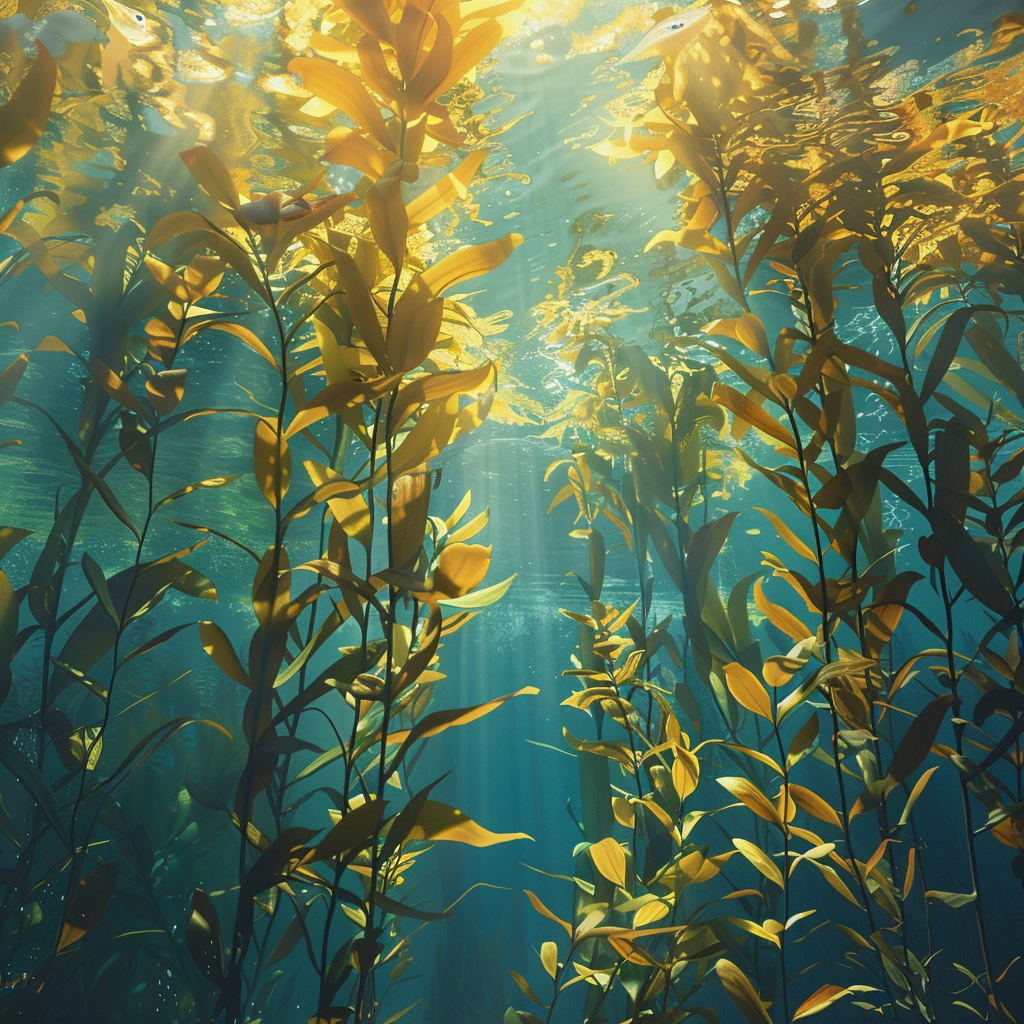
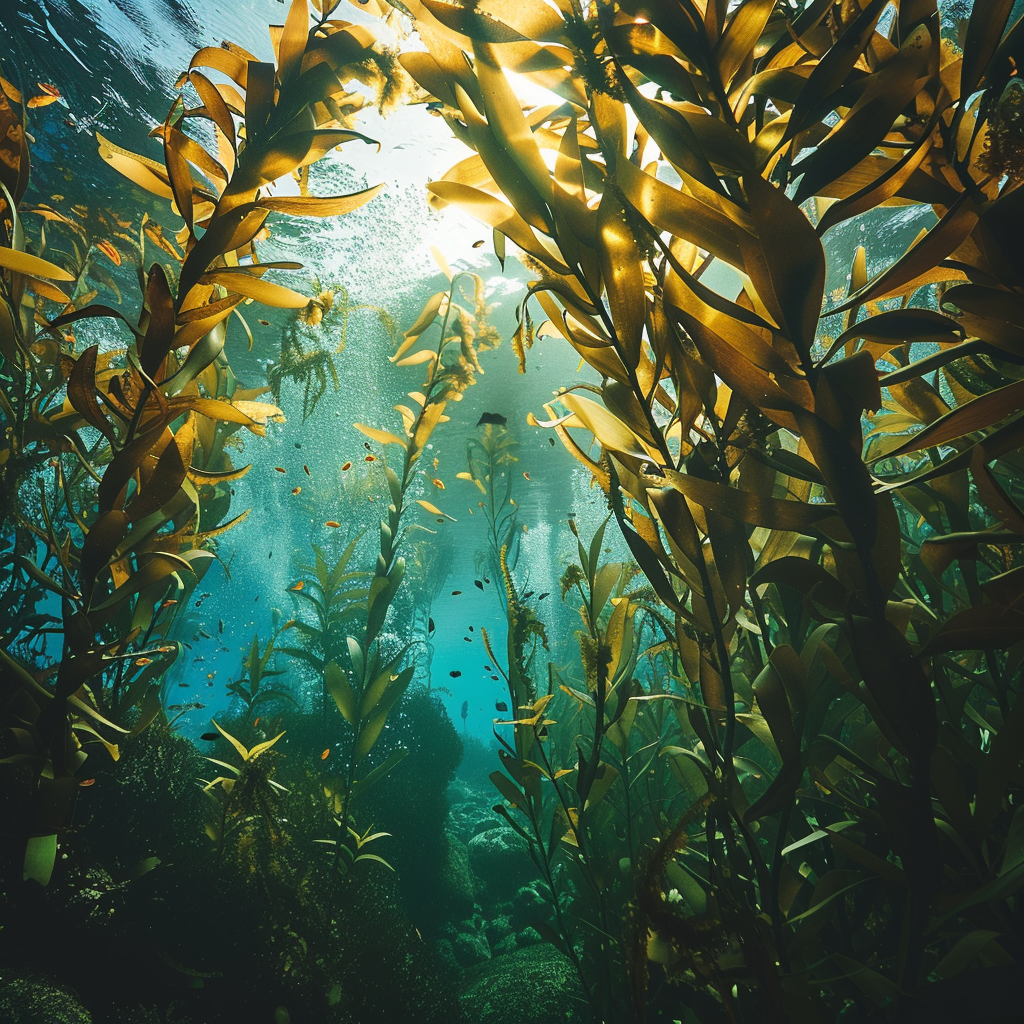
Kelp bed prevents seawater temperature increases and promotes biodiversity through habitat provision. Photosynthesis absorbs carbon dioxide, which is stored within the plants as organic carbon.
Economic Benefits and Disaster Prevention Effects
Economic benefits from utilizing seaweed as food, feed, fertilizer, and biofuel. Kelp bed absorbs wave and ocean current energy, preventing coastal erosion.
Activities
.png)
Kelp transplantation and seaweed bed creation
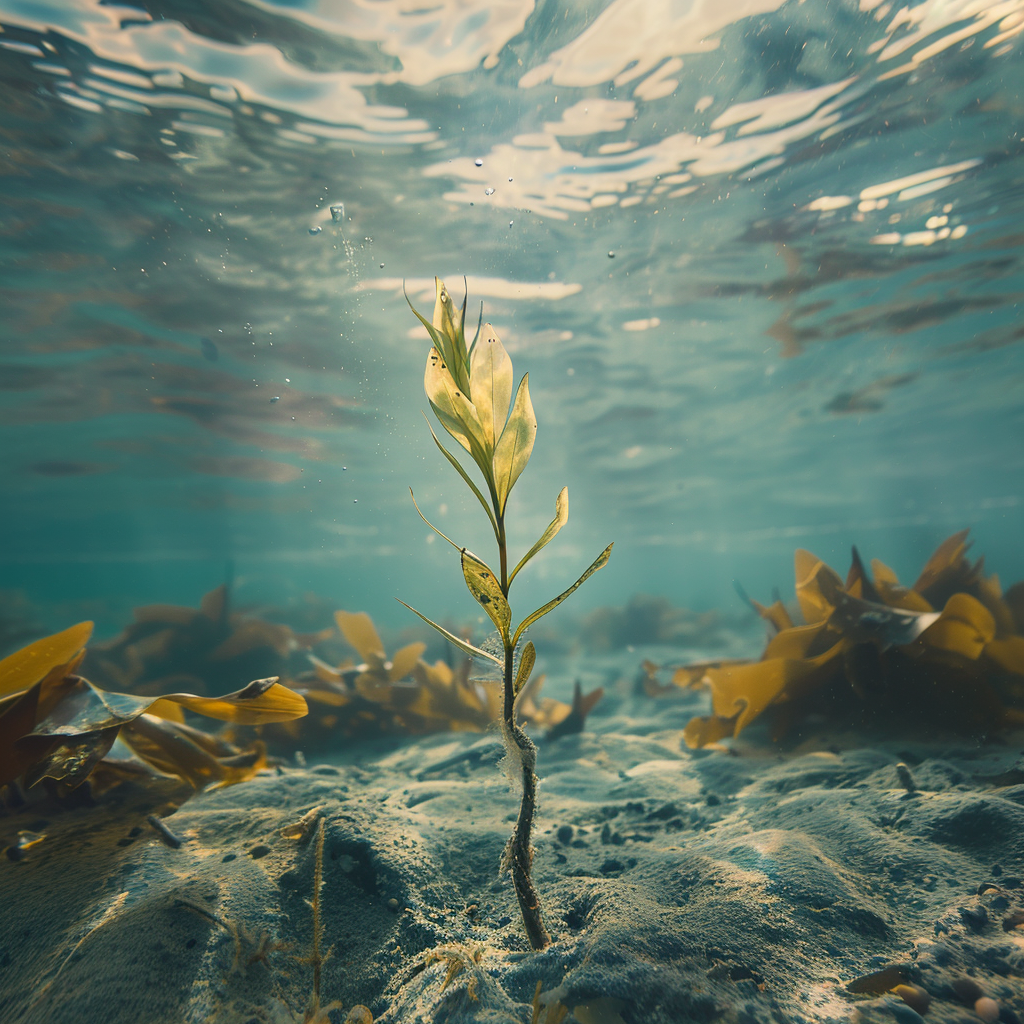
Select sites with suitable nutrients and consistent seawater temperatures for kelp cultivation. Raise mature kelp in secure locations before transplanting them to actual kelp beds.
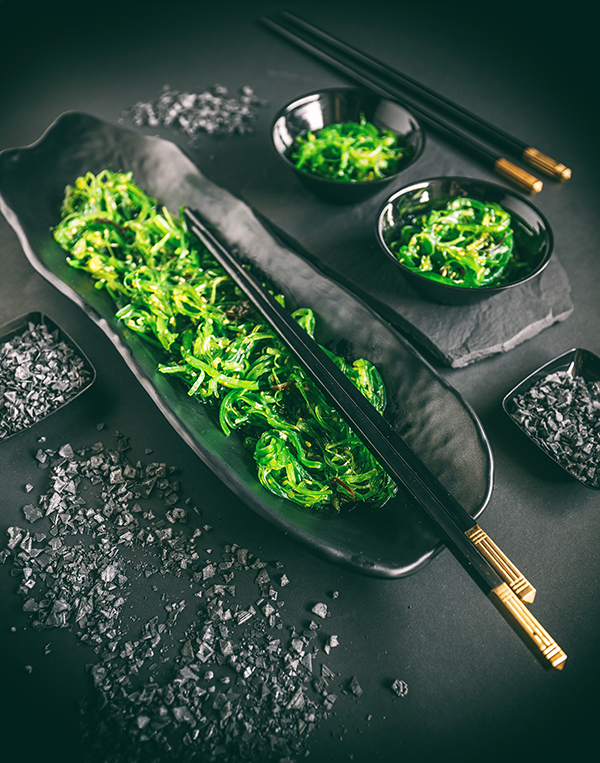
Kelp products manufacturing
Kelp is consumed fresh or dried for use as seasoning and in various processed foods. Kelp is also used as livestock feed and as a soil nutrient. Biofuel is produced by crushing and liquefying kelp.
Gallery